Interprets the laws
Judicial
Supreme Court
The federal courts interpret the law. The Supreme Court is the highest of them.
Article III of the Constitution vests the judicial power in one Supreme Court and in the inferior courts Congress establishes.
Structure and membership
Supreme Court of the United States
The Supreme Court is the highest court in the federal system. Congress sets the number of seats. That number is nine. The justices hold office during good behavior.
U.S. Courts of Appeals
The courts of appeals review decisions from the district courts. The country is divided into regional circuits, and the Federal Circuit hears certain specialized appeals.
U.S. District Courts
The district courts are the trial courts. They hear most federal cases first.
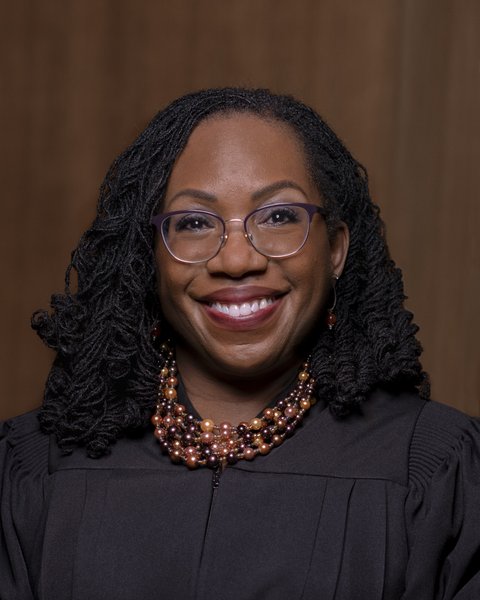
Current officeholders
Data as of November 22, 2026. Source: Supreme Court of the United States
Chief Justice first, then associate justices by seniority.
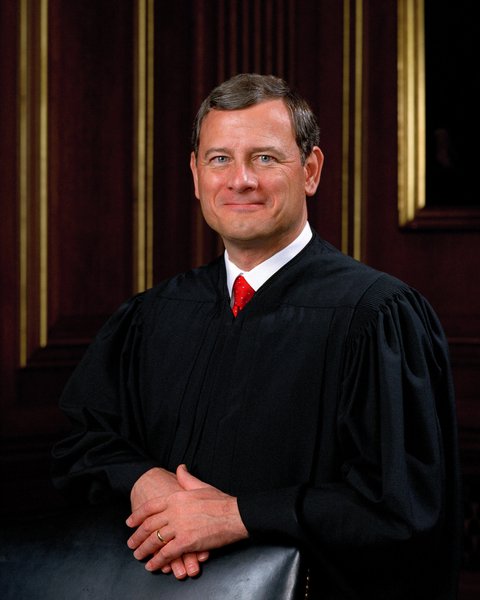
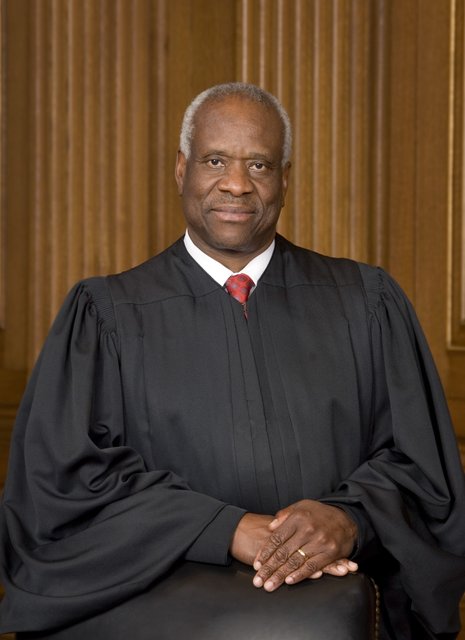
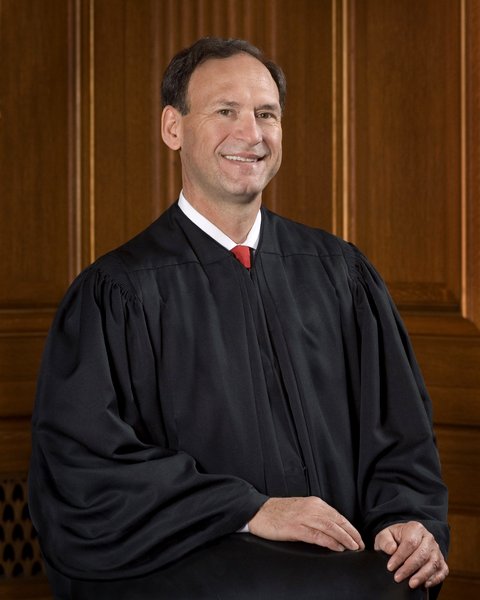
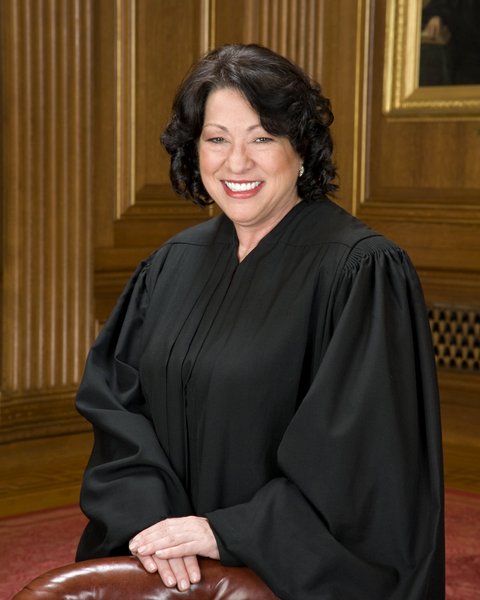
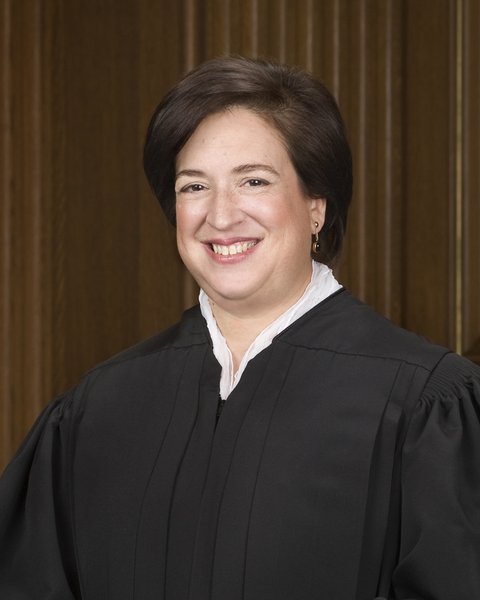
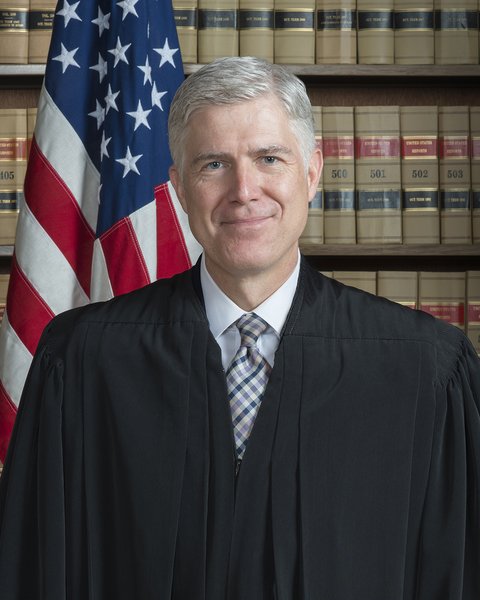
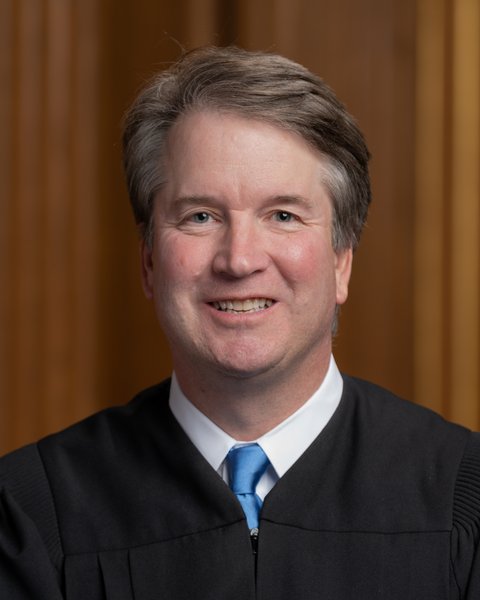
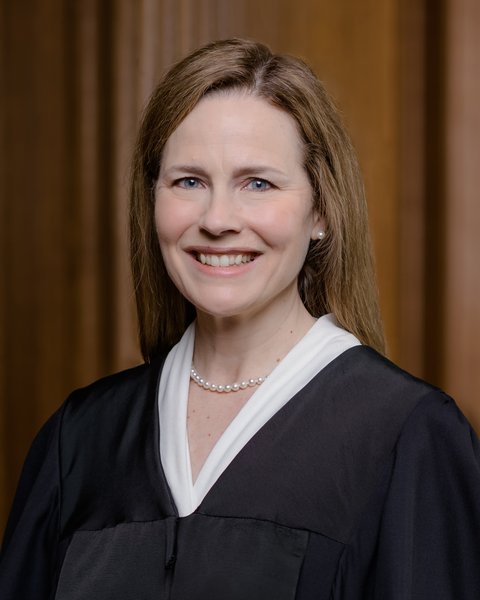
The history timeline is not loaded yet.
Key powers
- The federal courts decide cases arising under the Constitution, federal law, and treaties.
- They interpret what a statute means and how it applies to the parties in a case.
- In a case they decide, they can hold a statute or an executive act unconstitutional.
- The Supreme Court is the final court of appeal in the federal system.
Court structure
A federal case ordinarily moves up through three levels. The Supreme Court chooses most of the appeals it will hear.
- Most federal cases start in a U.S. District Court.
- A party can appeal that decision to a U.S. Court of Appeals.
- A party can ask the Supreme Court of the United States to review the appeal. The Court agrees to hear only some of those requests.
Checks and balances
How the Judicial branch checks the others
- A federal court can hold a statute unconstitutional in a case it decides.
- A federal court can hold an executive act unlawful or unconstitutional in a case it decides.
How the others check this branch
- The President nominates federal judges, and the Senate confirms or rejects them.
- The House can impeach a judge, and the Senate can remove a judge.
- Congress sets the size, structure, and jurisdiction of the courts below the Supreme Court.
- Congress and the states can amend the Constitution, which changes the rule the courts apply.