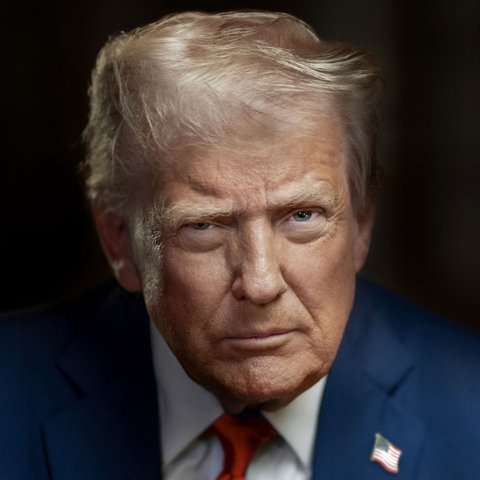
Donald J. Trump
Official siteEnforces the laws
Executive
President
The President, the Vice President, and the Cabinet carry out federal law.
Article II of the Constitution vests the executive power in a President of the United States.
Structure and membership
President and Vice President
The President and the Vice President are elected together for a four-year term. The Twenty-second Amendment limits a person to two elections as President.
The Cabinet
The Cabinet is the President's council of department heads. Those officers serve at the pleasure of the President and carry out the statutes Congress passes.
Current officeholders
Data as of November 22, 2026. Source: White House · White House cabinet
President and Vice President
JD Vance
Official site
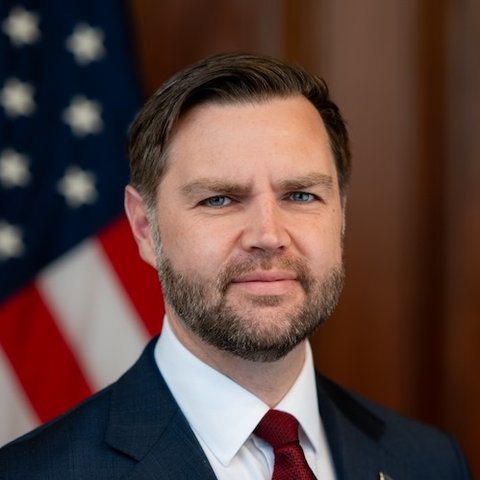
The Cabinet
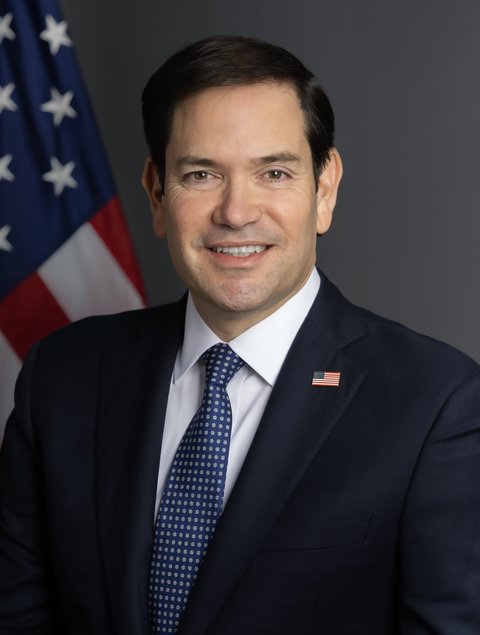
Marco Rubio
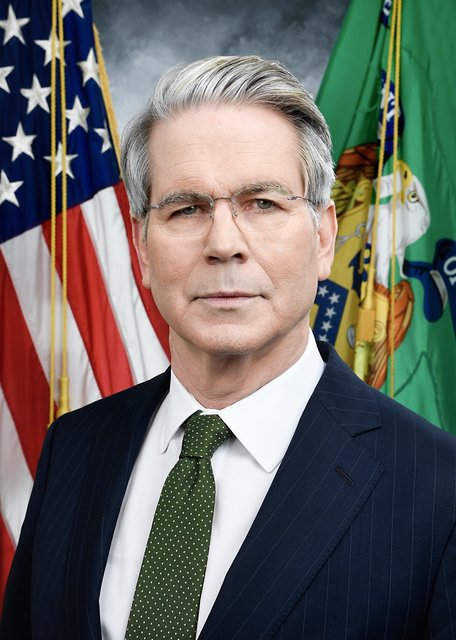
Official siteScott Bessent
Official sitePete Hegseth
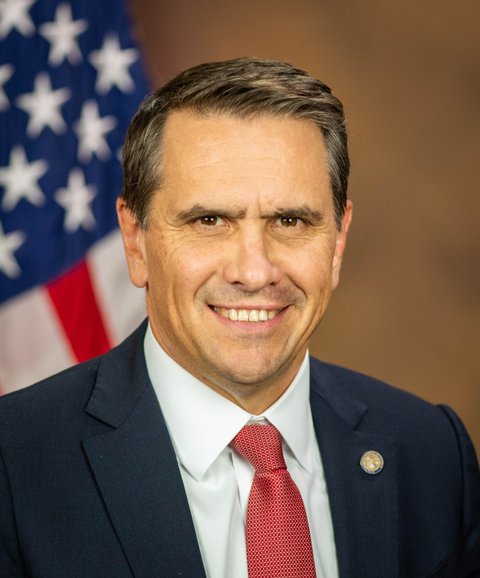
Official siteTodd Blanche
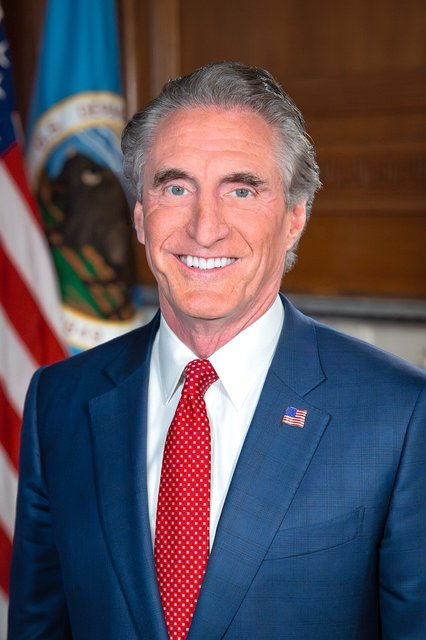
Official siteDoug Burgum
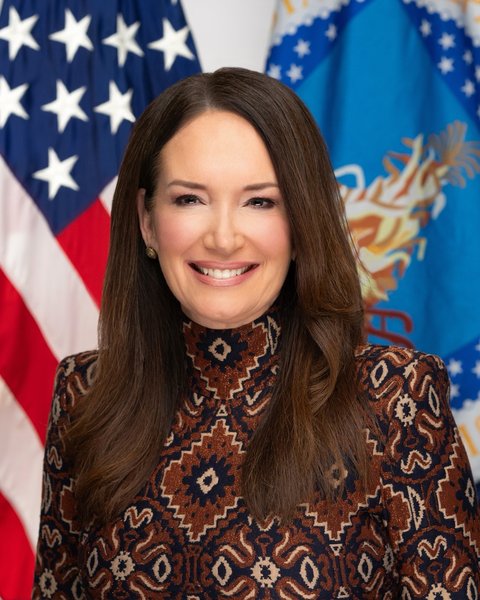
Official siteBrooke Rollins
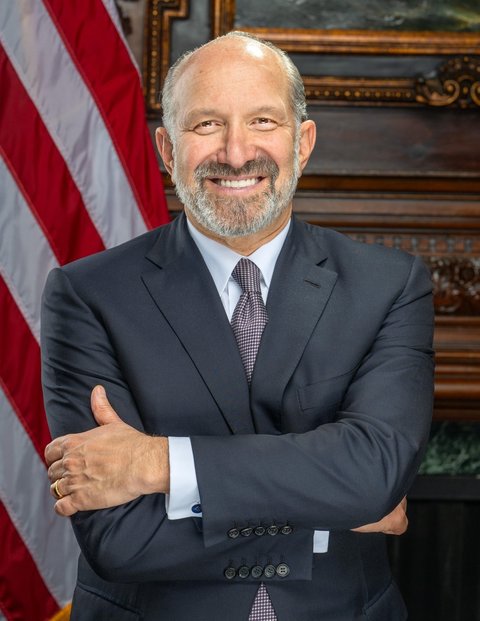
Official siteHoward Lutnick
Official siteKeith Sonderling
Official siteRobert F. Kennedy, Jr.
Official siteScott Turner
Official siteSean Duffy
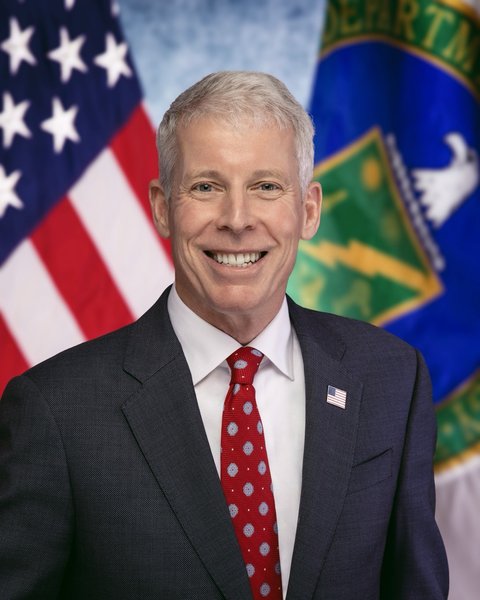
Official siteChris Wright
Official siteLinda McMahon
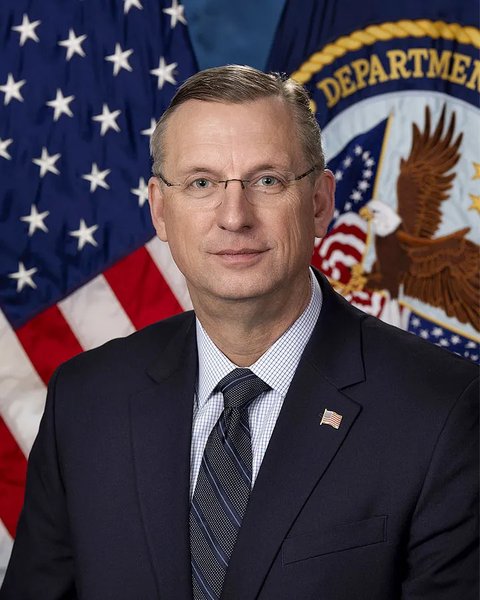
Official siteDoug Collins
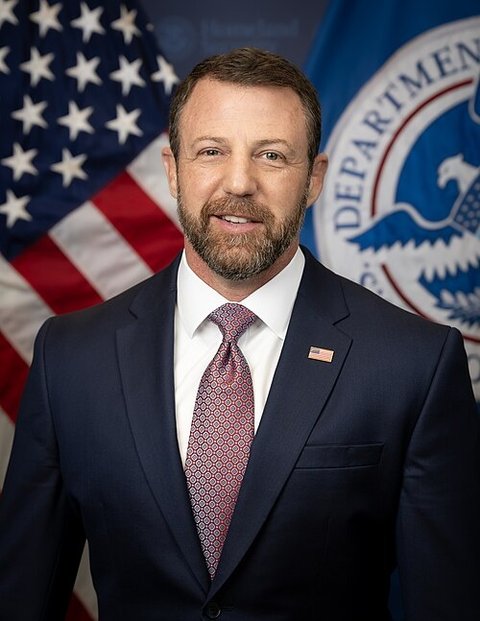
Official siteMarkwayne Mullin
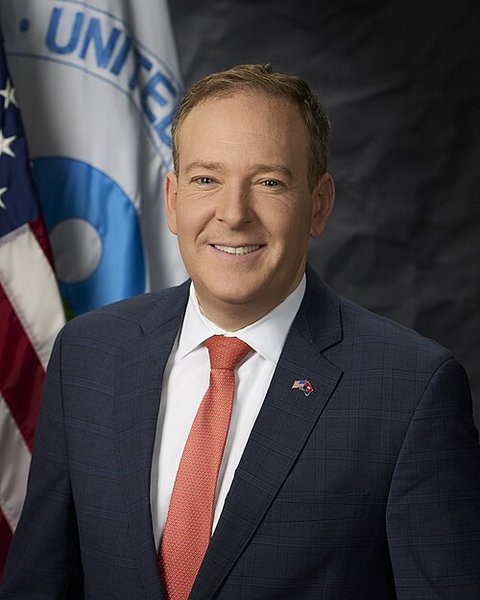
Official siteLee Zeldin
Official siteRuss Vought
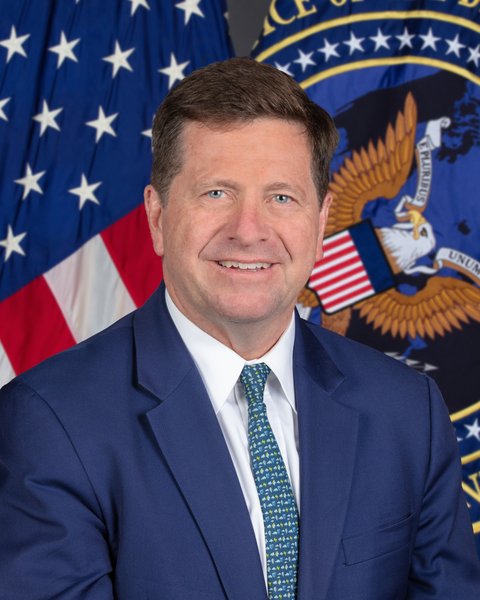
Official siteJay Clayton
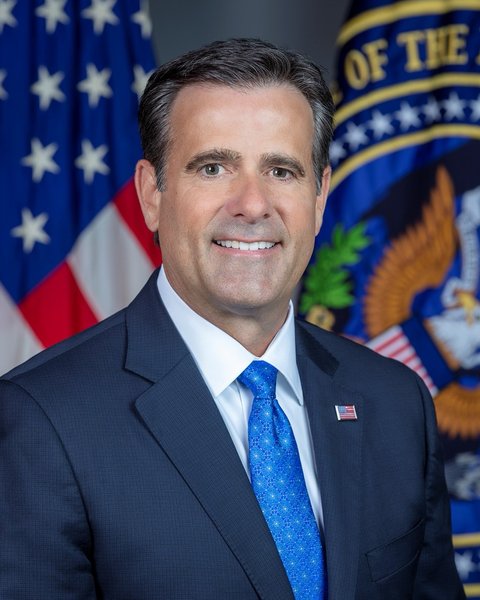
Official siteJohn Ratcliffe
Official siteJamieson Greer
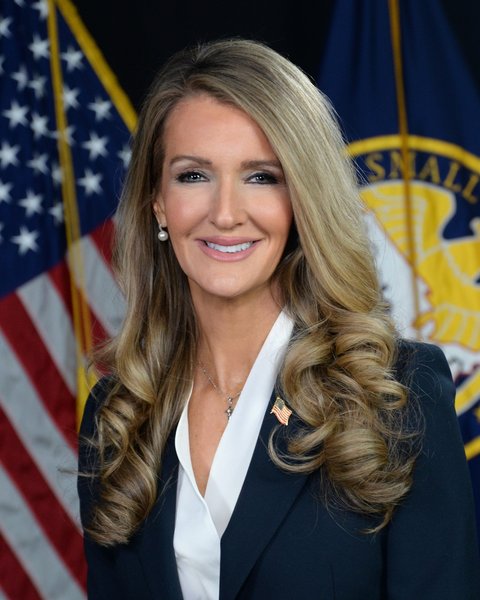
Official siteKelly Loeffler
Official site

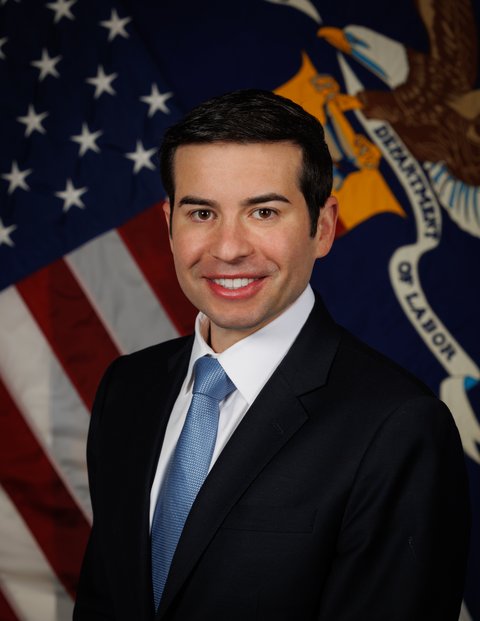
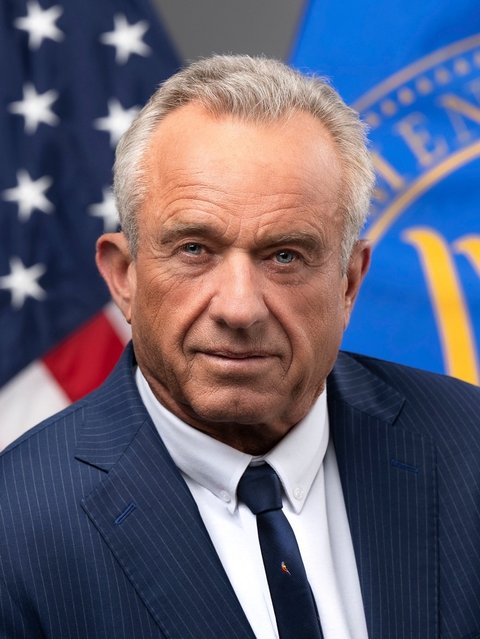
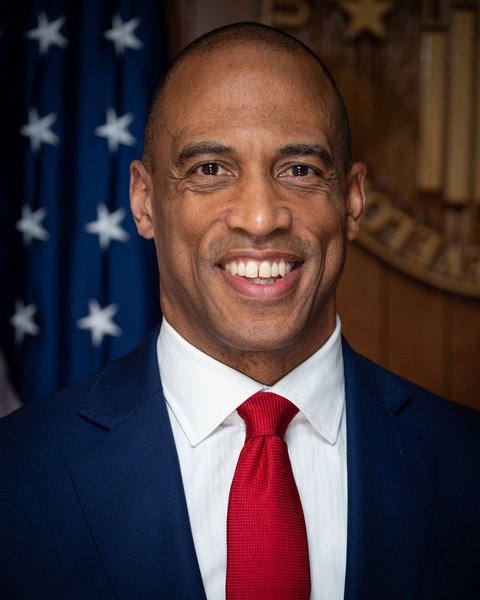
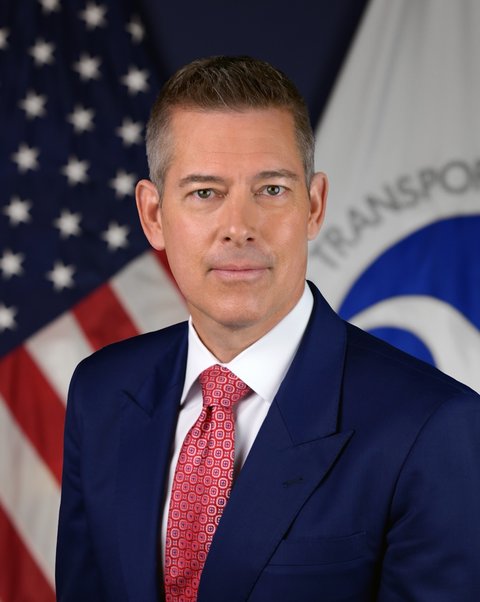



The history timeline is not loaded yet.
Key powers
- The President takes care that the laws are faithfully executed.
- The President commands the armed forces.
- The President signs or vetoes bills passed by Congress.
- The President appoints ambassadors, federal judges, and principal officers, with the Senate's advice and consent.
- The President makes treaties, which take effect if two-thirds of the Senate agrees.
- The President can grant pardons for federal offenses.
Executive departments
After a statute is law, the executive branch carries it out through the departments and agencies Congress has authorized.
- Congress passes a statute and the President signs it, or Congress overrides a veto.
- The statute assigns the work to an executive department or agency.
- That department takes the actions the statute allows and directs.
- The President oversees the departments through the Cabinet.
The departments
- Department of State
- Department of the Treasury
- Department of Defense
- Department of Justice
- Department of the Interior
- Department of Agriculture
- Department of Commerce
- Department of Labor
- Department of Health and Human Services
- Department of Housing and Urban Development
- Department of Transportation
- Department of Energy
- Department of Education
- Department of Veterans Affairs
- Department of Homeland Security
Checks and balances
How the Executive branch checks the others
- The President can veto a bill passed by Congress.
- The President nominates the judges who sit on the federal courts.
- The President can pardon a person convicted of a federal offense.
How the others check this branch
- Congress can override a veto and can limit what the executive branch spends.
- The Senate must agree before a treaty takes effect, and before many nominees take office.
- The House can impeach the President, and the Senate can remove the President.
- A federal court can hold an executive act unlawful or unconstitutional in a case it decides.